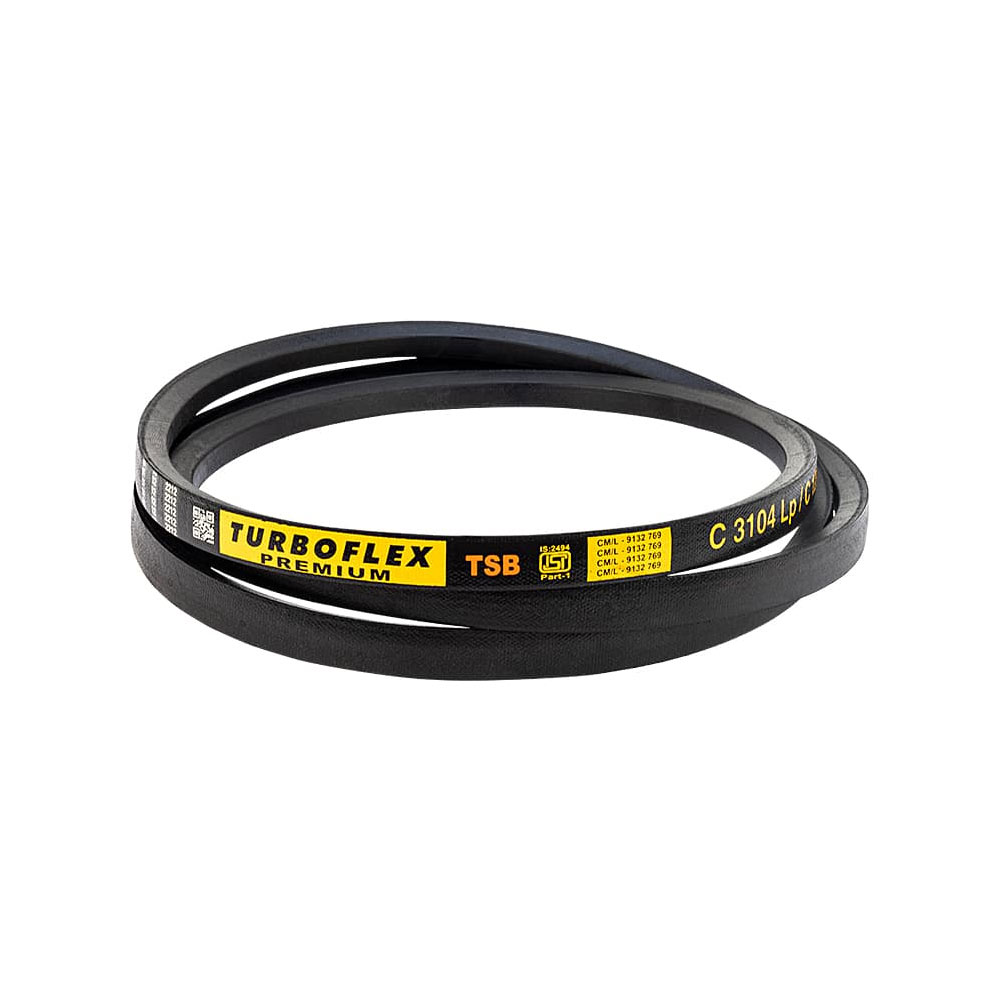
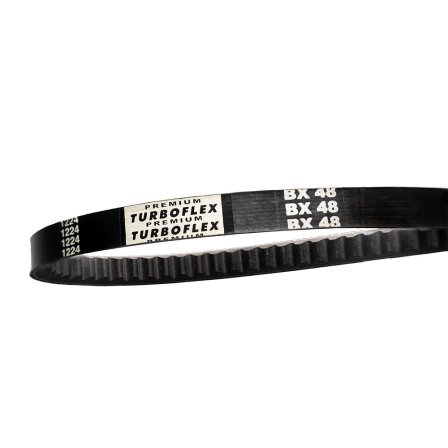
Don’t wait for a breakdown—pick DB Turboflex and keep your operation in South Africa moving with confidence. If you’re looking for Classical Raw Edge Cogged V Belts Manufacturers in South Africa, despite us being based in India, you’re getting our AX section belts, which are designed for super tight spaces where speed is key. These belts in South Africa are 13 by 8 mm, fit pulleys starting at 63 mm, and come in lengths from 26 to 140. And just a heads up, the sizing numbers in South Africa you want to jot down are 13, 36, and 50 mm. Each belt in South Africa is built to handle quick, efficient power transmission—so your machines never miss a beat.
Don’t let an average belt in South Africa slow you down—switch to DB Turboflex and see just how much better your days can run. If you’re searching for Classical Raw Edge Cogged V Belts in South Africa, although we’re based in India, you’ll be getting our BX section belts, which are built for extra strength and durability. They’re sized at 17 by 11 mm in South Africa, work with pulleys from 140 mm and up, and cover lengths from 28 to 140, so there’s a good chance they’ll fit whatever you’re running. Remember those sizing numbers in South Africa too—43, 26, and 69 mm—because they really do come in handy.
At DB Turboflex, we always smile when a belt lands far from home in South Africa and instantly lives up to its promise—no lag, just action. If you’re looking for Cogged Raw Edge Classical V Belts Exporters in South Africa, even though we’re based in India, you’ll get our CX section belts that are made for really tough, heavy-duty jobs. These belts are 22 by 14 mm, so they’re built for big machines in South Africa, fit pulleys starting at 335 mm, and the available lengths run from 40 up to 140. For sizing, keeping 32, 56, and 88 mm close by is always a smart move in South Africa, especially if you’re managing a bunch of equipment.
At Turboflex V Belts, we combine 24 years of manufacturing excellence to supply superior V-belts and transmission products. Our commitment to zero-defect engineering guarantees you receive uncompromising quality and durable solutions for your operations.
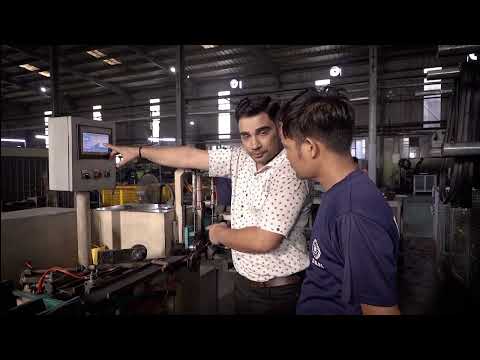
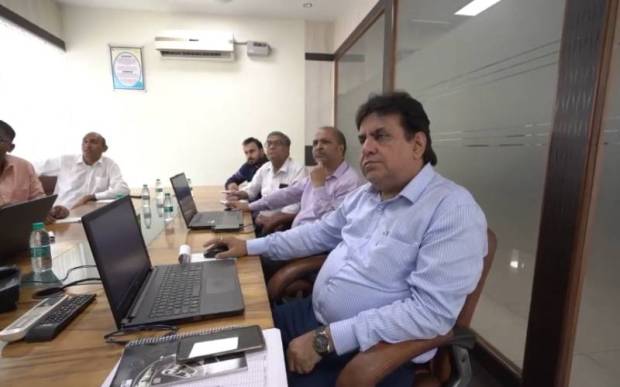
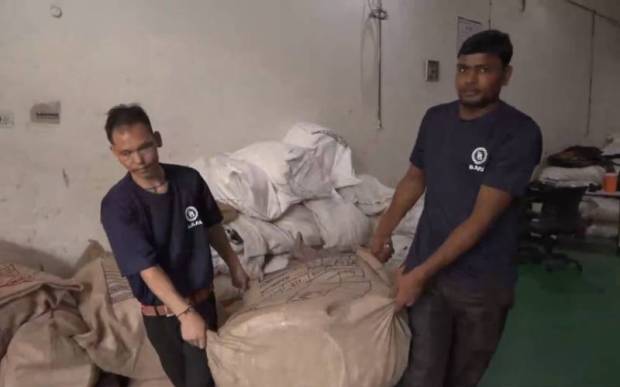
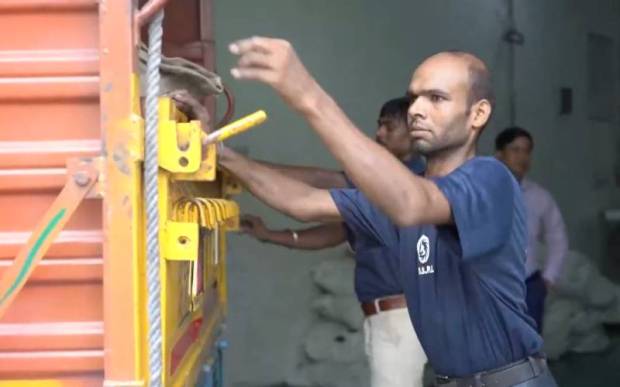
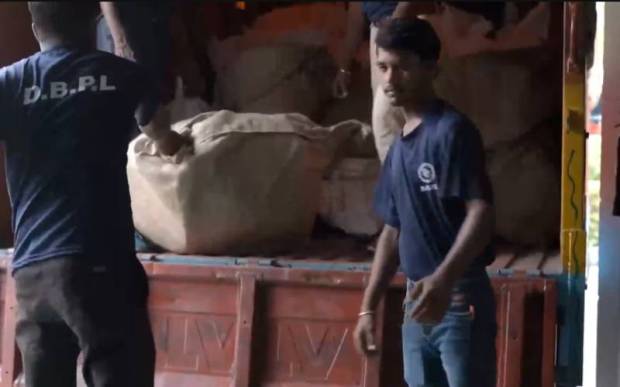
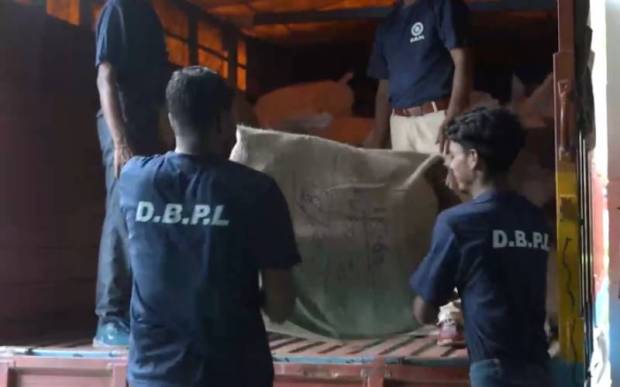
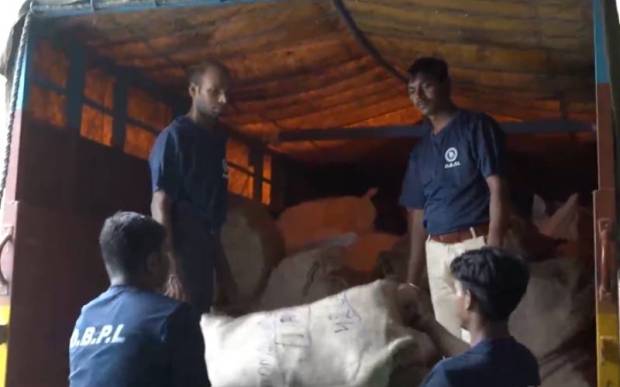
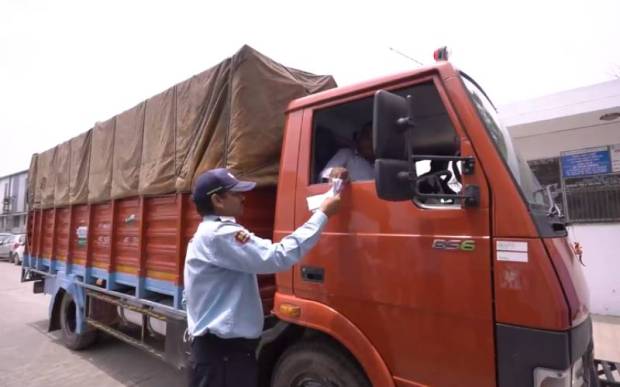
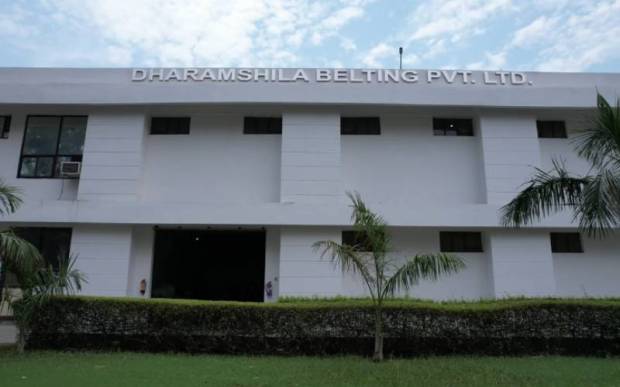
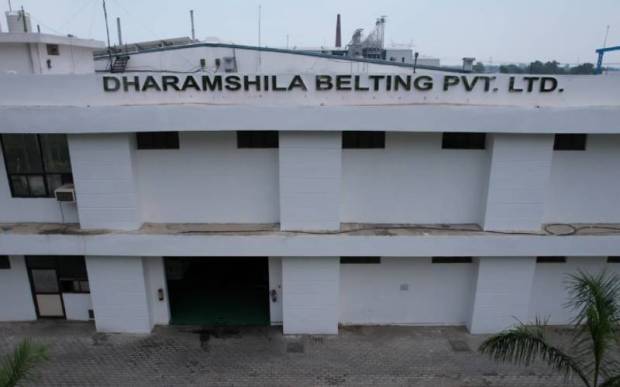
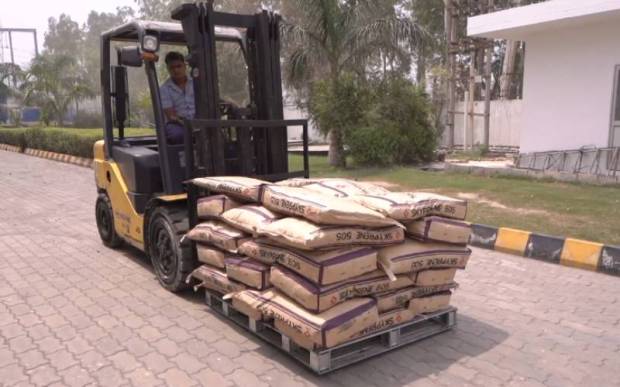
Step inside the world behind Turboflex and discover the people, processes, and production environment shaping our power transmission solutions. Our factory combines practical expertise with systematic quality checks to create belts designed for demanding applications. These glimpses showcase the care, technology, and attention to detail behind every Turboflex product.
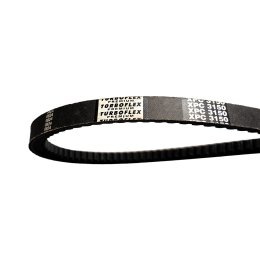
Seamless operation starts here—DB Turboflex keeps South Africa in motion. If you’re looking for Wedge Raw Edge Cogged V Belts Manufacturers in South Africa, despite us being based in India, you’re getting our SPZX/XPZ section belts, which are specially built for tight, fast setups. Our belts are just 10 by 8 mm, fit pulleys as small as 56 mm, and the length options in South Africa are kind of impressive, from 600 all the way to 3500. Jot down 13, 37, and 50 mm for sizing in South Africa—you’ll be glad you did the next time you’re in a pinch. They squeeze into those tricky spots in South Africa and just quietly keep everything moving.
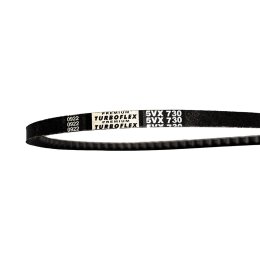
Ready to make every machine in South Africa run smoother and faster? Choose DB Turboflex in South Africa and say goodbye to unexpected downtime. If you’re looking for Narrow Raw Edge Cogged V Belts Manufacturers in South Africa, despite us being based in India, you’re getting our 3VX section belts, built for those tight, high-speed setups where every millimeter counts. These belts are 9.7 by 8 mm, fit pulleys down to 56 mm, and come in lengths in South Africa from 400 to 1420. Don’t forget—sizing is 13, 37, and 50 mm, so keep those handy in South Africa when you’re matching things up. These belts in South Africa just zip right in and get your machines humming.