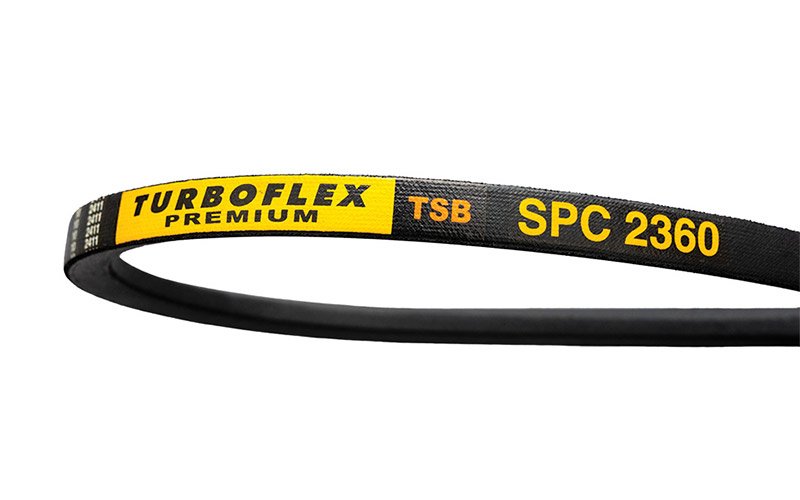
If you’ve ever walked through a buzzing factory floor, you know that keeping heavy-duty machinery moving isn't just about power, it's about control. Engineers and plant managers often find themselves asking: What makes V belts ideal? It isn’t just about their rugged look; the real magic lies in the clever physics of their design. These belts act as the quiet workhorses of the plant, providing the raw muscle needed to turn massive pulleys without breaking a sweat. As one of the trusted V Belts Manufacturers in India, DB Turboflex knows that high-torque environments need more than basic rubber; they require a high-friction "wedging" action that stops slippage dead in its tracks when the load gets heavy.
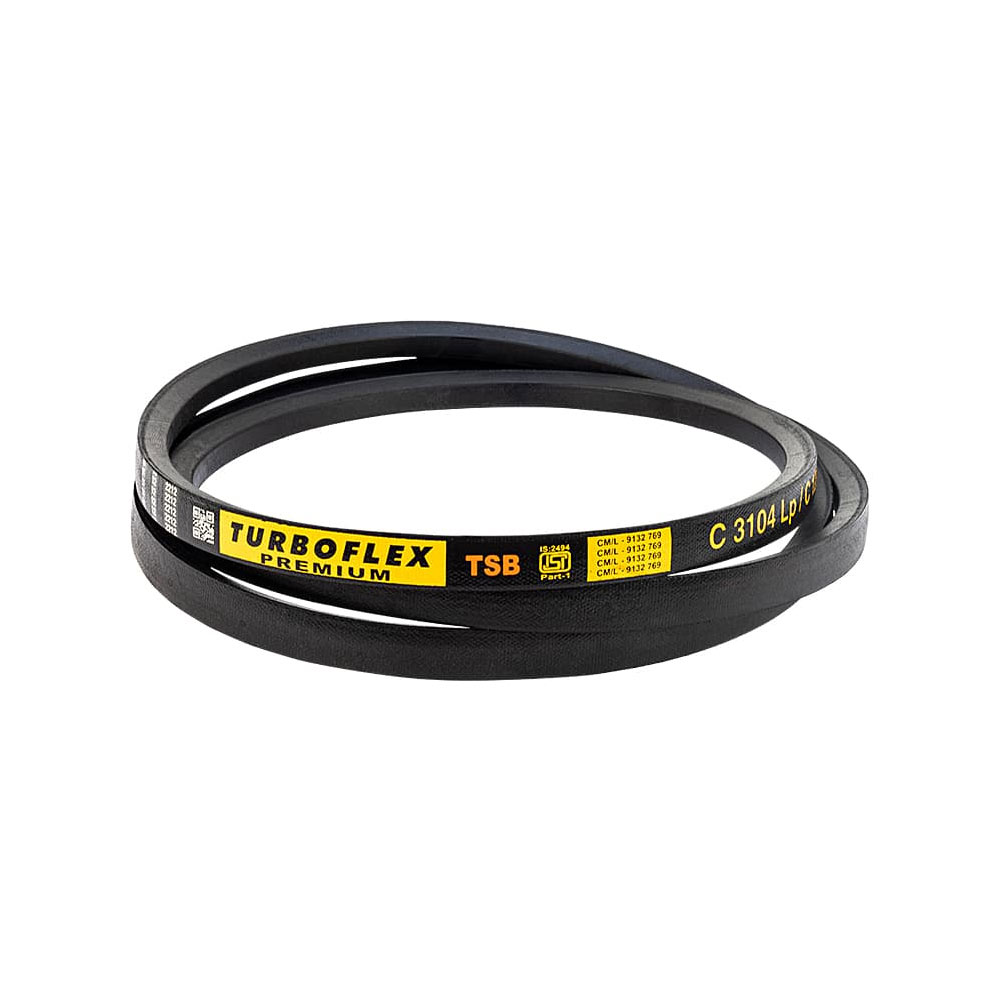
The secret to any high-performance drive is the trapezoidal cross-section. Unlike flat belts that just sit on the surface, V belts actually wedge themselves deep into the pulley grooves as the tension ramps up. This mechanical grip allows them to move significantly more power than other drive types. For high-torque jobs, this means you can kickstart heavy loads, like those in rock crushers or massive industrial fans, without worrying about the belt sliding or smoking out.
In the high-stakes world of industrial power transmission, consistency is your best friend. You simply can't afford a total breakdown in the middle of a triple shift just because a component couldn't handle the heat. Premium V Belts Manufacturers in India, like DB Turboflex, have spent years refining material science to ensure your machines don't quit when the pressure peaks. By using high-modulus polyester cords and specialised synthetic rubber, these belts are built to resist stretching even when hit with the most punishing torque spikes.
Another reason these belts are such a staple in high-torque settings is their ability to act as a "safety fuse" for your gear. If a machine suddenly jams, a V belt can provide a tiny, controlled amount of slip. This might sound like a flaw, but it actually prevents the motor shaft from snapping or the gears from stripping. It’s a smart, cost-effective way to protect your most valuable assets while keeping efficiency high during normal operations. That balance of sheer grit and built-in flexibility is why heavy industries still swear by this technology.
At the end of the day, picking the right transmission component isn't about hunting for the cheapest price tag, it’s about protecting your uptime. When you invest in high-quality V belts, you’re basically buying insurance for your production line. These belts are made to handle the violent jolts of a cold start-up and the relentless grind of a 24/7 cycle without flinching. When your machinery runs without a hiccup, your stress levels go down, and your profits go up, proving that sometimes the most traditional designs are still the most effective.
Stay ahead of the curve with insights from the experts at Turboflex. Our blog is your resource for technical guides, maintenance tips, and industry trends. Whether you need to troubleshoot a drive, choose the right belt for a combine harvester, or understand the benefits of Aramid cords, we have the answers to keep your operations running smooth and strong.